Automotive control professionals are facing a growing demand for precision and efficiency. With the rapid evolution of technologies, it is becoming essential to adopt modern tools to optimize the management of inspections and diagnostics.
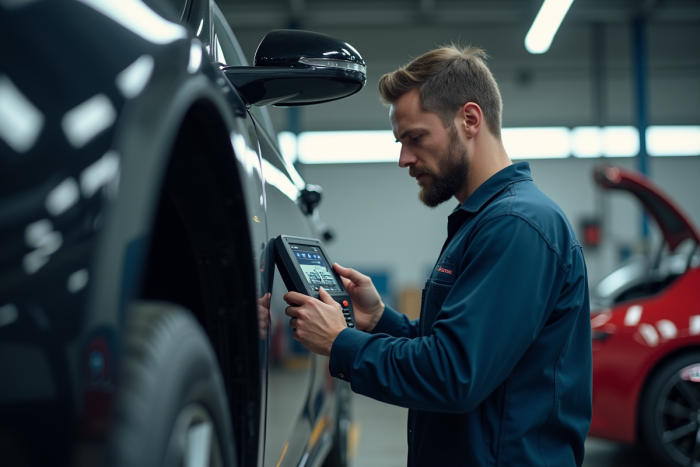
Integrated management software now allows for tracking client files, vehicle histories, and appointments with great precision. Advanced diagnostic equipment, such as OBD-II scanners, offers real-time analyses, thereby reducing margins of error and improving customer satisfaction. Digitalization and automation are becoming indispensable to remain competitive in this ever-evolving sector.
Digital tools for optimized automotive control management
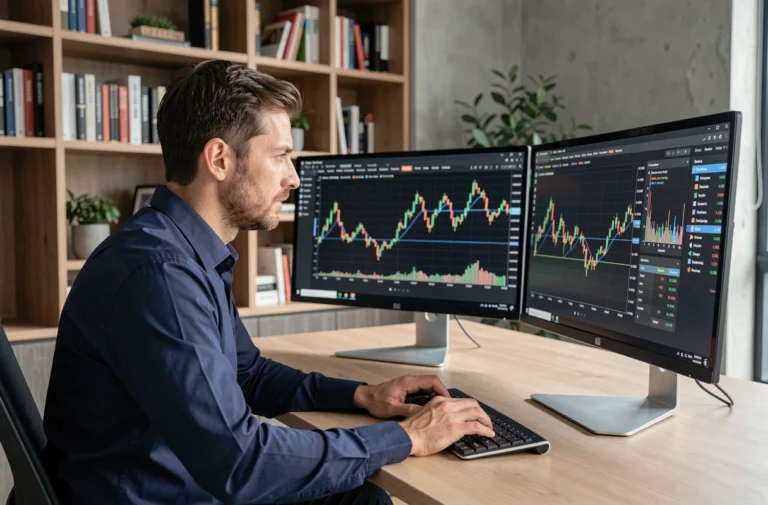
Automotive control professionals today must rely on digital tools for optimized management. A fleet management software has become essential. It allows for the centralization of all data related to a vehicle fleet, thus facilitating tracking and cost optimization.
Here are some key features to look for in this software:
- Real-time vehicle tracking
- Management of maintenance and repairs
- Cost analysis and fuel consumption
- Planning of inspections and appointments
The fleet manager must not only master these tools but also implement processes based on effective practices to save time. Identifying expenditure items to optimize is fundamental to avoid any financial overruns. Monitoring performance indicators allows for adjustments in management strategies and ensures the performance of the vehicle fleet.
Another management lever includes the use of dedicated platforms like the Securitest affiliate space. This tool provides technical control centers with an interface to manage appointments, access vehicle histories, and track ongoing inspections.
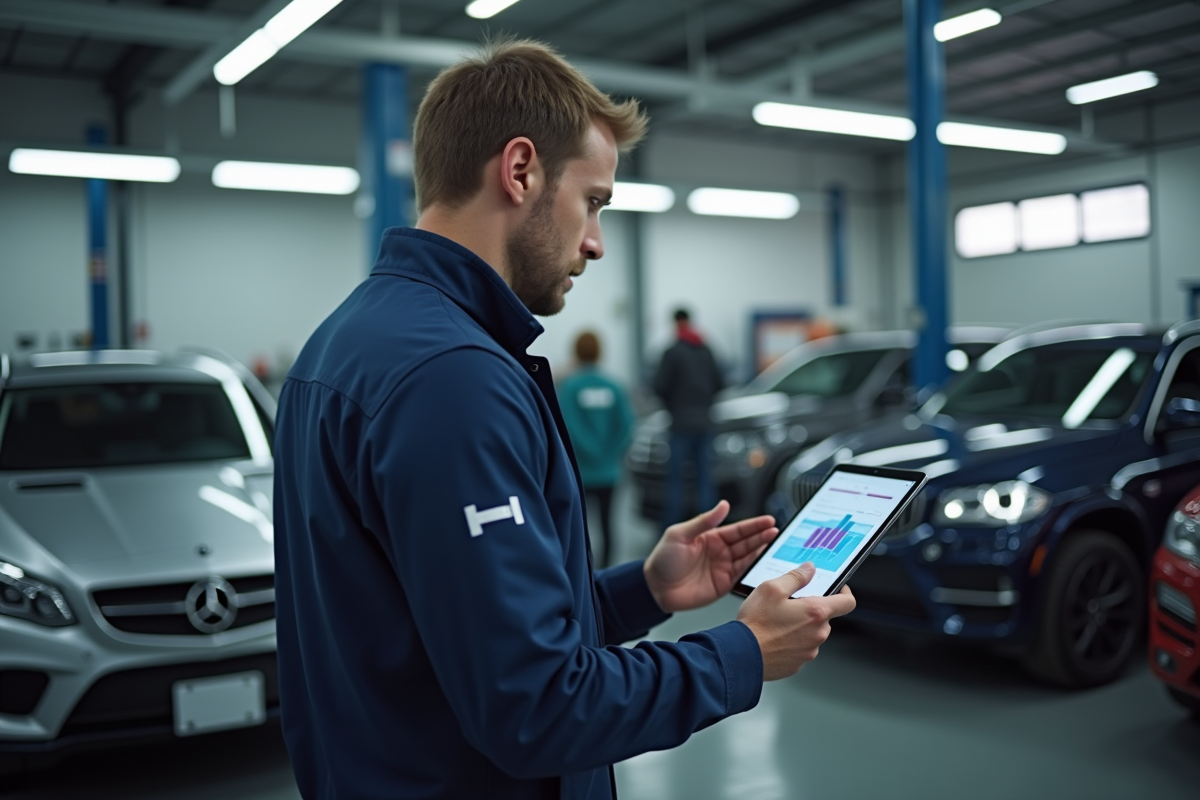
The integration of a mobile application also facilitates the work of teams in the field. It allows for smooth communication between different stakeholders and instant data updates. In this way, automotive control professionals can ensure optimal and responsive management of their activities.
Essential technical equipment for automotive control professionals
Automotive control professionals must equip themselves with the appropriate technologies to ensure rigorous vehicle checks. The use of modern test benches is essential. This equipment allows for precise measurement of pollutant emissions, evaluation of braking and suspension system efficiency, and verification of wheel alignment.
Here are some key technical equipment items for an effective automotive control center:
- Brake benches: to test brake efficiency and ensure vehicle safety.
- Suspension benches: to assess the condition of shock absorbers and springs.
- Gas analyzers: to measure pollutant emissions and verify compliance with environmental standards.
- Electronic diagnostic devices: to detect faults and anomalies in onboard electronic systems.
The integration of an ERP (Enterprise Resource Planning) allows for the centralization of data management and optimization of internal processes. This tool facilitates communication between different departments and improves the quality of audits.
A regular audit helps to detect any malfunctions and precisely determine the total cost of a vehicle. This approach contributes to proactive management of vehicle fleets, thus ensuring optimal managerial performance. Consider these equipment and practices as essential levers for effective and sustainable management.